Posted on Leave a comment

Mastering Miniature Painting: Brush and Airbrush Techniques You Need to Know

Introduction to Miniature Painting

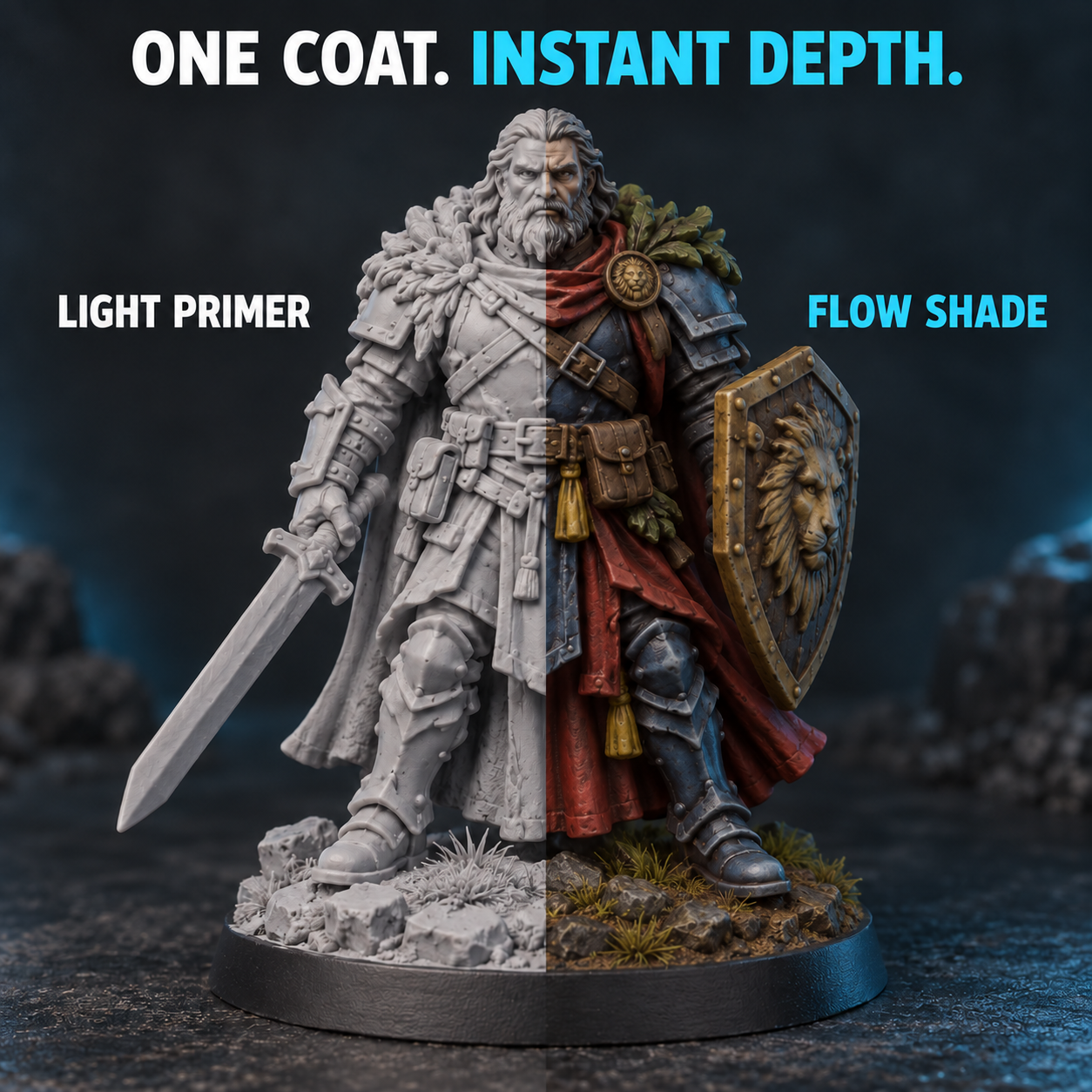
Miniature painting is an art form that transforms tiny figures into stunning masterpieces. Whether you’re a seasoned artist or a novice, mastering various techniques is essential. Today, we will explore both brush and airbrush methods that can elevate your miniature painting game to new heights!

Brush Techniques for Precise Detailing

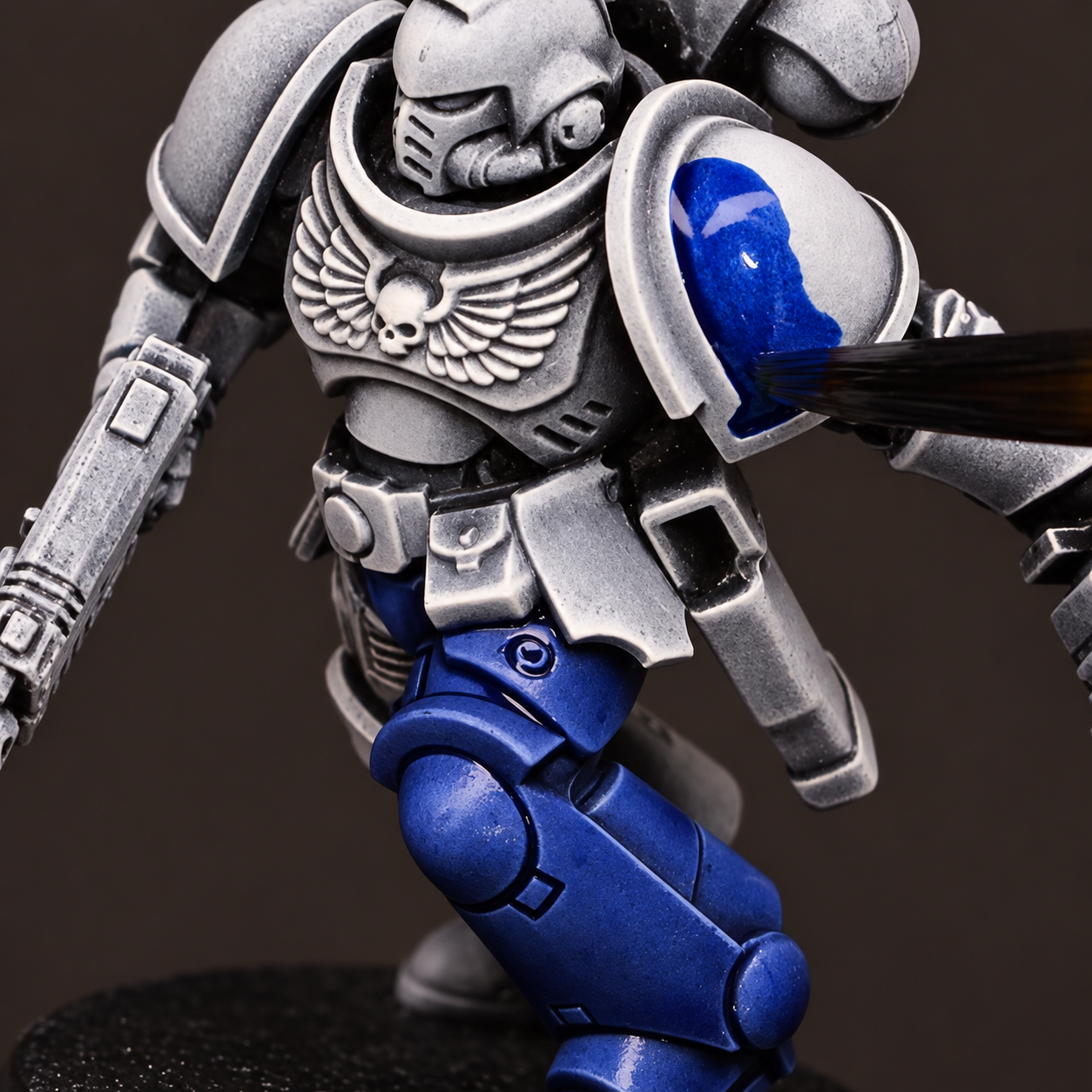
When it comes to traditional brush techniques, precision is key. Start by using fine detail brushes to apply layers of color. A steady hand and a clear vision are paramount. Glazing, layering, and dry brushing are fantastic methods to achieve depth and texture.

Don’t forget to thin your paint for smoother application! Practice makes perfect, so spend time experimenting with different brushes and techniques until you find your sweet spot. Remember, the beauty of miniature painting lies in the details, and a well-painted miniature can create a dramatic impact.

Exploring Airbrush Techniques

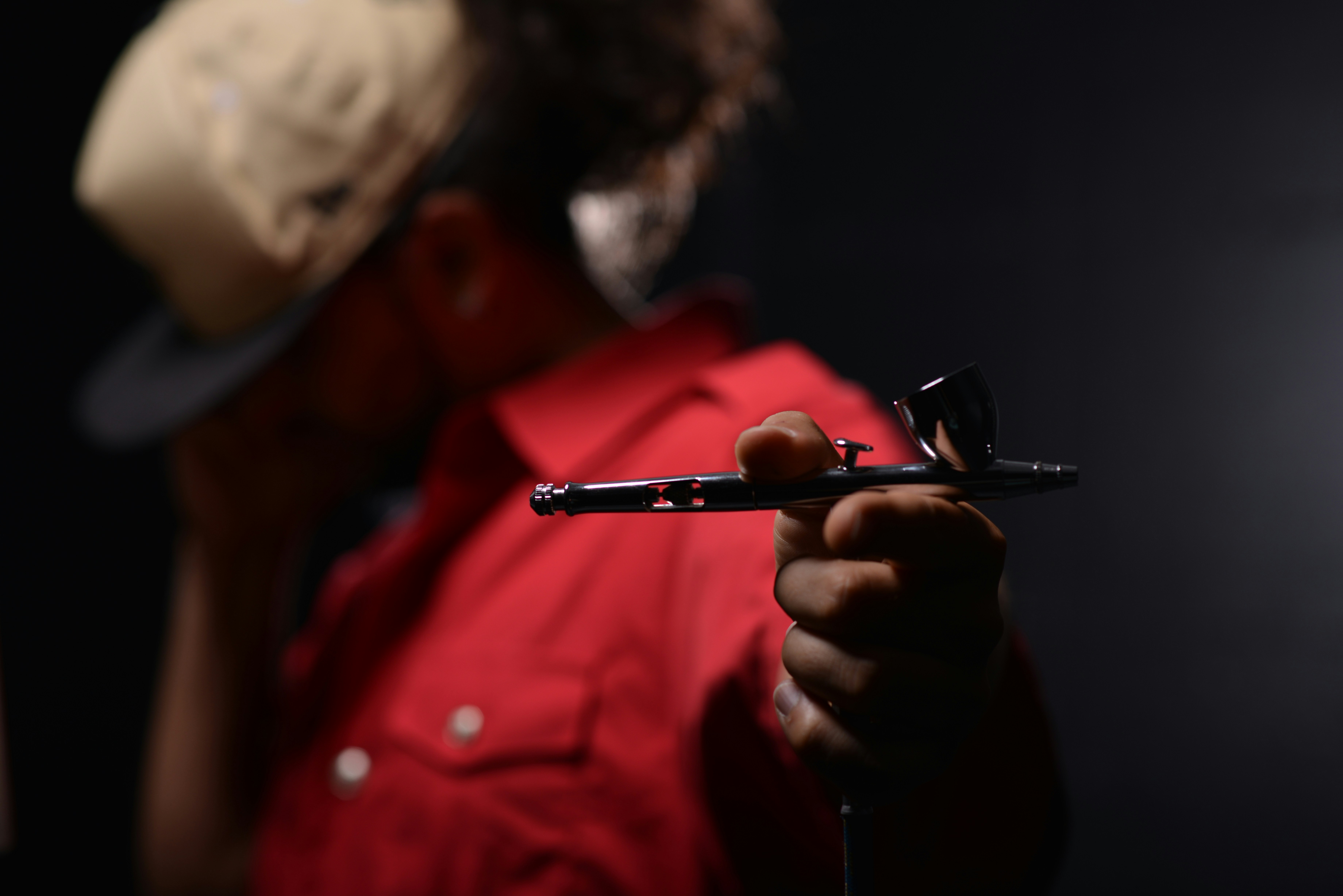
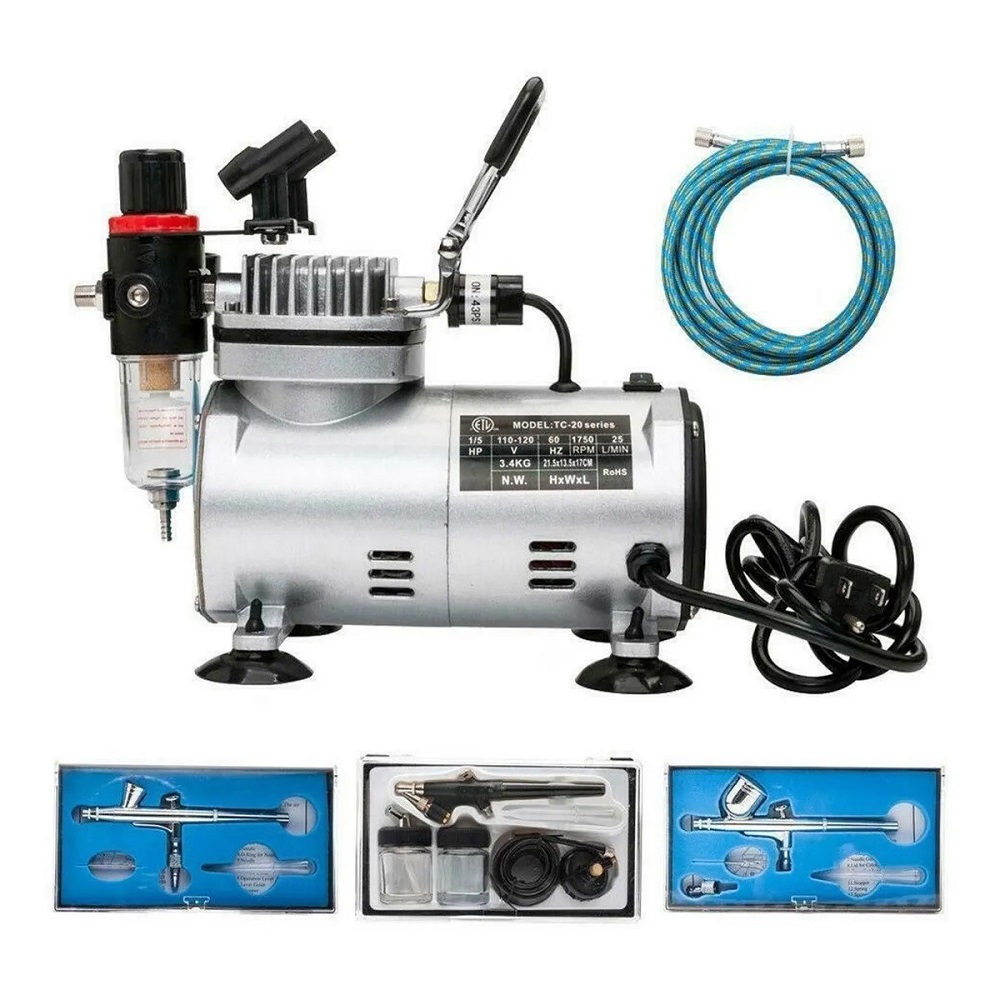
On the flip side, using an airbrush can truly revolutionize your miniature painting. It allows for a smooth and even application of paint, especially on larger surfaces. When starting out with an airbrush, invest in a good quality compressor and familiarize yourself with the tool. Take your time to learn how much pressure to apply and how to adjust the paint flow.

Layering colors with an airbrush can create stunning fades and shadows that would be time-consuming with a brush. Just keep in mind that airbrushing is all about control; practice on scrap miniatures to develop your skills!

Conclusion: Finding Your Personal Style

Ultimately, whether you prefer brush techniques or the modern flair of airbrush painting, what matters most is that you enjoy the process. Don’t hesitate to combine both methods for more versatility! With practice, patience, and a little creativity, you’ll be amazed at the stunning results you can achieve with your miniature paintings!

Posted on Leave a comment

Mastering the Art of Airbrush Painting: Tips and Tricks for Success

Introduction to Airbrush Painting

Airbrush painting is a versatile and sophisticated technique that utilizes compressed air to spray paint, allowing for precise application and stunning visual effects. This method has found its place across various fields, ranging from fine art to commercial applications, including automotive painting, model building, and custom design work. It is particularly favored for its ability to create smooth gradients, intricate details, and a wide range of textures that traditional painting methods may struggle to achieve.

One prominent application of airbrush painting is in the realm of fine art, where artists use it to achieve unique effects that enhance their creative expression. The control and adaptability of an airbrush allow for delicate shading, layering, and blending that are essential in creating visually captivating artworks. Similarly, in the automotive industry, airbrush painting enables technicians to apply custom finishes that elevate vehicle aesthetics, making it a preferred choice for those looking to personalize their cars with detailed graphics or unique color schemes.

Model builders also benefit greatly from airbrush techniques, as this method allows them to achieve realistic finishes on miniature models of cars, airplanes, and figures. The precision offered by an airbrush ensures that even the most intricate details are preserved, contributing to an authentic representation. The advantages of airbrush painting extend beyond just artistic applications; it provides a much quicker drying time and allows for the use of a wide variety of materials. Additionally, it can produce less mess compared to traditional painting methods, making it a cleaner choice for artists and hobbyists alike.

In essence, airbrush painting opens up a world of possibilities, allowing for creativity and detail that cater to both artists and professionals across various industries. Understanding the fundamentals of airbrush painting will provide a solid foundation for those looking to master this art form, paving the way for effective tips and tricks that will be explored in subsequent sections of this blog post.

Choosing the Right Airbrush Tool

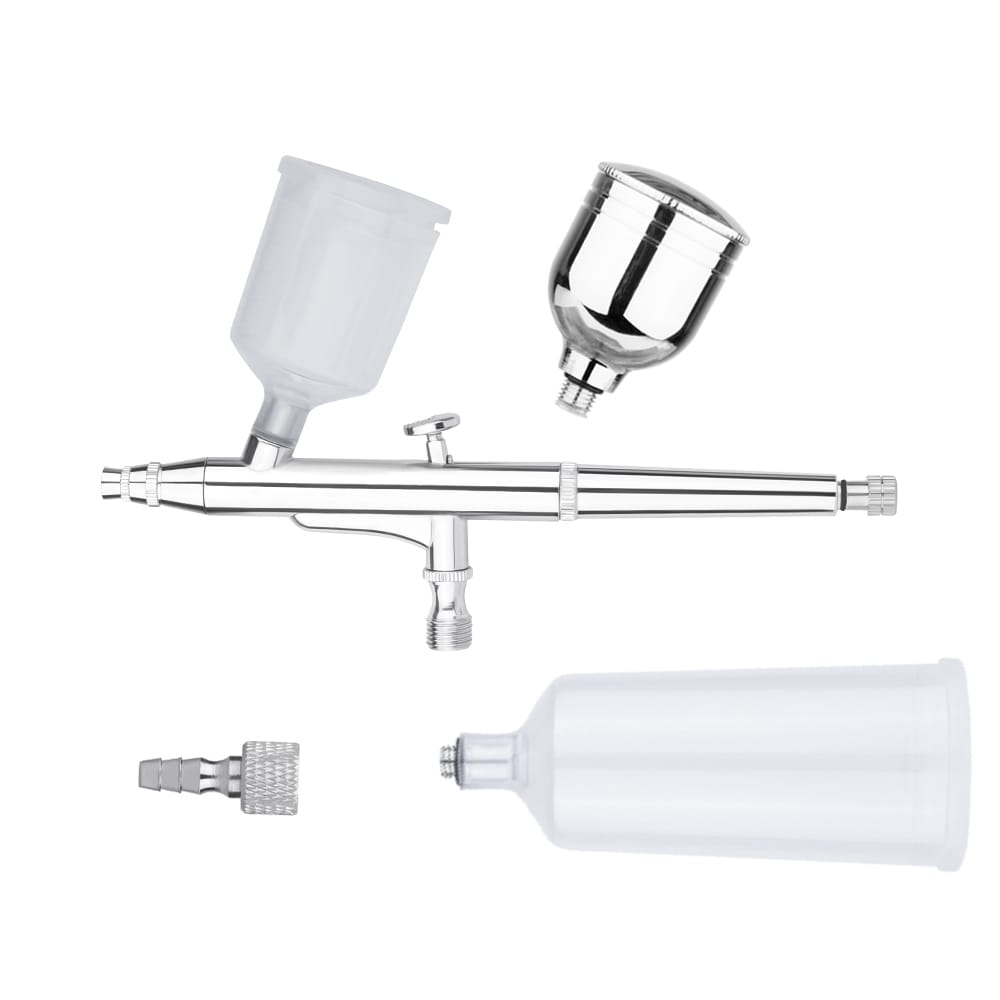
The selection of an appropriate airbrush tool is paramount for achieving desired results in airbrush painting. The market is replete with various types of airbrushes, but they can generally be categorized into two primary types: single-action and dual-action airbrushes. Each type offers unique characteristics that cater to different techniques and painting styles.

Single-action airbrushes simplify the learning process as they allow paint flow to operate with a single control mechanism. When the trigger is pressed down, the paint is released at a consistent rate, making it ideal for beginners who are just starting out in airbrush painting. They are often recommended for basic applications and larger projects needing less precision, such as base coats or background work.

Conversely, dual-action airbrushes offer greater control over both paint flow and air pressure. This type requires the user to pull the trigger back for air and push it down for paint, making it suitable for experienced painters who require more flexibility and precision. Dual-action models are excellent for detailed work, such as intricate designs and fine lines, which can elevate the finished project significantly.

When choosing an airbrush, several factors should be taken into account, including skill level, intended use, and budget. Beginners may find single-action airbrushes more forgiving and easier to manage. As skills develop, transitioning to a dual-action airbrush may enhance creativity and detail in projects. For cost-conscious individuals, various brands offer beginner-friendly options without compromising quality. Models from reputable manufacturers provide reliable performance and durability, ensuring a solid introduction to airbrush painting. Whether you are a novice or an experienced artist, selecting the right airbrush tool is essential for mastering the coveted art of airbrush painting.

Essential Airbrush Painting Supplies

To embark on the journey of airbrush painting, it is imperative to gather a comprehensive set of supplies beyond the airbrush itself. Quality supplies not only enhance the artistry but also ensure a smoother workflow and superior results. The first category of supplies to consider is the paint types. Acrylic paints are widely favored due to their water-based nature, which offers ease of use and cleanup, making them suitable for beginners. Enamel paints, on the other hand, provide durability and a glossy finish, making them preferable for projects requiring a resilient surface.

Next, it is essential to have the appropriate thinners. Each paint type requires specific thinners to achieve the right viscosity for airbrushing. For acrylics, water-based thinners are ideal, while enamel paints may require more specialized solvents such as mineral spirits. Brands like Vallejo and Tamiya excel in offering high-quality thinners designed for optimal performance with their respective paints. Additionally, having a reliable compressor is critical. Look for a compressor that offers consistent airflow with adjustable pressure settings; models from Iwata or Paasche are renowned for their reliability and efficiency.

Cleaning supplies must not be overlooked, as maintaining the airbrush is vital for prolonging its lifespan and preserving the integrity of artworks. A cleaning kit should include a cleaning solution, brushes, and microfiber cloths. Among the recommended products is the Iwata Medea Cleaning Station, which provides an effective means to keep airbrushes in peak condition. Finally, personal protective gear, like respirators and gloves, is crucial for ensuring safety while painting. The 3M Respirator is a top choice for its reliability in filtering harmful particles. By assembling these essential airbrush painting supplies, artists can set themselves up for success in their creative ventures.

Preparing Your Workspace

Creating a conducive environment is crucial for successful airbrush painting. A clean and organized workspace not only enhances efficiency but also significantly impacts the quality of your work. Begin by selecting a dedicated area for your airbrush projects. This should be a well-ventilated space, as airbrush paints can release fumes that may be harmful when inhaled. Consider using a spray booth or a well-ventilated room with open windows to ensure adequate airflow.

Lighting plays a pivotal role in the precise control needed for airbrush painting. Opt for bright, even lighting—natural daylight bulbs are an excellent choice as they mimic natural light and reduce shadows, allowing you to see the true colors and details of your work more accurately. If possible, position your work table near a window for natural light during the day, while also having adjustable lighting to combat shadows during evening hours.

To further protect your workspace, utilize protective coverings such as drop cloths or plastic sheeting. These materials will help to catch any overspray and paint drips, minimizing potential damage to tables or floors. It is advisable to keep your tools organized and within easy reach, using storage containers or toolboxes designed specifically for painting supplies. This organization not only streamlines the painting process but also diminishes the risk of accidents caused by clutter.

Lastly, establish a routine for cleaning your workspace after each painting session. Wipe down surfaces and dispose of any used materials properly. By maintaining an organized and clutter-free environment, you can focus entirely on your airbrush painting projects, ultimately leading to more satisfying results.

Techniques for Efficient Airbrush Application

Mastering airbrush techniques is essential for achieving professional results in your painting projects. Among the fundamental techniques, layering, shading, and detailing play a crucial role in creating depth and dimension in your artwork. Layering involves applying multiple thin coats of paint rather than a single thick layer. This gradual buildup not only ensures better adhesion but also allows for greater control over color saturation. By starting with lighter colors and gradually progressing to darker hues, artists can create smooth transitions and avoid the dreaded muddy appearance often caused by over-mixing colors.

Shading is another critical technique that adds realism and depth to airbrushed artwork. By controlling the airflow from the airbrush and manipulating the distance between the nozzle and the surface, artists can create subtle gradients and shadows. To perfect shading, practice varying the air pressure and paint flow, allowing for a delicate touch that can produce intricate effects. Utilizing a combination of angles and movements, artists can achieve soft shadows or stark contrasts depending on the desired outcome.

Detailing is where the airbrush truly shines, enabling artists to render fine lines and intricate patterns with precision. The key to effective detailing lies in adjusting the needle size and paint viscosity. Thinner paints can yield sharper details, while thicker paints may require more airflow to avoid clogging the nozzle. Additionally, practicing with different airbrush techniques will enhance your ability to create intricate designs, be it fine lines for outlining or broader strokes for larger details.

Ultimately, the success of mastering these airbrush techniques hinges on consistent practice and dedication. Over time, you will develop a deeper understanding of how to control both air and paint flow, resulting in more refined and professional-looking artwork. Embracing these techniques will not only elevate your skills but also allow you to express your creativity fully.

Common Mistakes to Avoid

Airbrush painting can be a rewarding endeavor, but beginners often face certain pitfalls that can frustrate their artistic journey. Recognizing and avoiding these common mistakes can significantly enhance the quality of their work and their overall experience with the medium.

One of the most prevalent issues encountered by novices is paint clogging. Clumping occurs when paint particles adhere to the nozzle, hindering a smooth spray. To mitigate this problem, it is crucial to utilize appropriate paint thinning agents, ensuring the correct viscosity. Additionally, regular cleaning of the airbrush after each use can prevent dried paint from accumulating and causing clogs.

Another frequent mistake is uneven application, which results in blotchy areas and inconsistent color distribution. This issue can arise from incorrect air pressure settings or an unfamiliarity with the airbrush technique. Beginners should experiment with different pressure levels to find a suitable setting for their specific paint type. Furthermore, practicing consistent strokes and maintaining an appropriate distance from the surface can aid in achieving more uniform results.

Over-spraying is yet another common mistake for those new to airbrush painting. This occurs when too much paint is applied, leading to drips and runs. To avoid this, artists should focus on steady, controlled movements and build up the color gradually rather than attempting to achieve coverage in a single pass. It is advisable to practice on scrap material before applying techniques to the final piece. This allows for adjustments and builds confidence in handling the airbrush.

By being aware of these common pitfalls and implementing the outlined strategies, beginners can develop their airbrush painting skills more effectively. Understanding how to proactively address these challenges will not only foster creativity but also enhance the overall quality of their work.

Cleaning and Maintenance of Your Airbrush

Proper cleaning and maintenance of your airbrush is crucial for ensuring its longevity and optimal performance. The airbrush is a precision tool that can be susceptible to clogs and wear if not maintained adequately. Regular cleaning will prevent paint buildup and ensure smooth operation, while appropriate maintenance will extend the life of the airbrush, saving you money in the long run.

Begin the cleaning process immediately after completing your project. First, empty any remaining paint from the airbrush into a container for disposal. Next, fill the cup with a suitable cleaning solution, such as water for water-based paints, or an appropriate solvent for other types of paints. Gently pull the trigger to allow the solution to flow through the airbrush, effectively loosening any residual paint. Repeat this step until the solution runs clear.

After purging the solution, proceed to disassemble the airbrush. Carefully remove the needle, ensuring you do not touch the tip, as this may cause damage. Clean the needle using a soft cloth or cleaning pad. While the needle is set aside, soak the nozzle and the cup in the cleaning solution to dissolve any remaining debris. Use a soft brush designed for airbrush cleaning to gently scrub these components. Be cautious to avoid using harsh chemicals or abrasive tools that could cause scratches.

Once cleaned, rinse all parts with clean water or solvent. Allow the elements to air dry completely before reassembling the airbrush. Regularly check and replace the O-rings as needed, as these can wear out over time and affect the pressure and performance. Additionally, lubricate the needle with a suitable oil to ensure smooth operation. By adhering to these cleaning and maintenance steps, you can keep your airbrush in prime condition and ready for your next artistic endeavor.

Advanced Techniques for Experienced Users

For experienced airbrush artists, mastering advanced techniques can significantly elevate the quality of their work. One such technique is masking, which involves covering specific areas of the surface to protect them from paint application. This allows for precise shapes and patterns, ensuring clean lines and a professional finish. Different types of masking films and tapes can be employed, depending on the intricacy of the project. For instance, delicate details may require the use of low-tack tape, which adheres well without leaving residue behind.

Using stencils can further enhance the capabilities of an airbrush artist. Stencils provide a quick way to achieve intricate designs and can be made from various materials like plastic or heavy paper. When utilizing stencils, it is crucial to firmly secure them to the surface to prevent paint from seeping underneath, which can disrupt the desired design. The application of paint should be done at a controlled distance and angle to maintain precision and avoid overspray. By experimenting with different stencil designs, artists can create unique effects that add depth and interest to their work.

Creating special effects is another area where experienced airbrush users can showcase their skills. Techniques such as layering, color blending, and texture creation can be applied to add dimension and realism to artwork. For example, layering colors can create the illusion of light and depth, while blending different shades can produce smooth transitions that enhance the overall aesthetic. Effects like splattering or using a stippling technique can introduce texture, offering a more tactile dimension to the piece.

Incorporating these advanced techniques not only broadens the artist’s repertoire but also enhances the visual impact of their airbrush projects. Knowing when to use masking, stencils, or special effects can transform a good piece into an exceptional one, allowing artists to fully express their creative vision.

Conclusion and Further Resources

As we conclude this exploration of airbrush painting, it is important to highlight the significance of consistent practice and application of the tips and tricks discussed. Mastery in airbrush painting does not occur overnight but is the result of dedication and a willingness to learn continuously. The techniques addressed, ranging from optimal air pressure management to mastering brush control, serve as foundational skills that can be improved upon with time and effort.

In addition to practicing these methods, seeking out further resources can significantly enhance your knowledge and skills in this craft. Numerous online tutorials are available that cater to various skill levels, from beginners to advanced artists. These digital resources often provide step-by-step guidance, allowing artists to visualize techniques in action. Websites and platforms such as YouTube are valuable for practical demonstrations, enabling users to see the application of different airbrush techniques firsthand.

Furthermore, engaging with online forums and communities dedicated to airbrush painting can be incredibly beneficial. These platforms allow artists to share their experiences, ask questions, and receive feedback from peers. By joining such communities, you not only expand your knowledge base but also gain support and motivation from like-minded individuals passionate about airbrush artistry.

Additionally, there are countless books and magazines available that delve into the nuances of airbrush painting. These written works often provide in-depth insights into specific techniques, materials, and historical contexts of the art form. By combining practicing the techniques shared in this post with the wealth of information found in these resources, you will be well on your way to mastering the art of airbrush painting.