




Description
Liquid Masking Fluid for Painting, Models & Airbrush Work
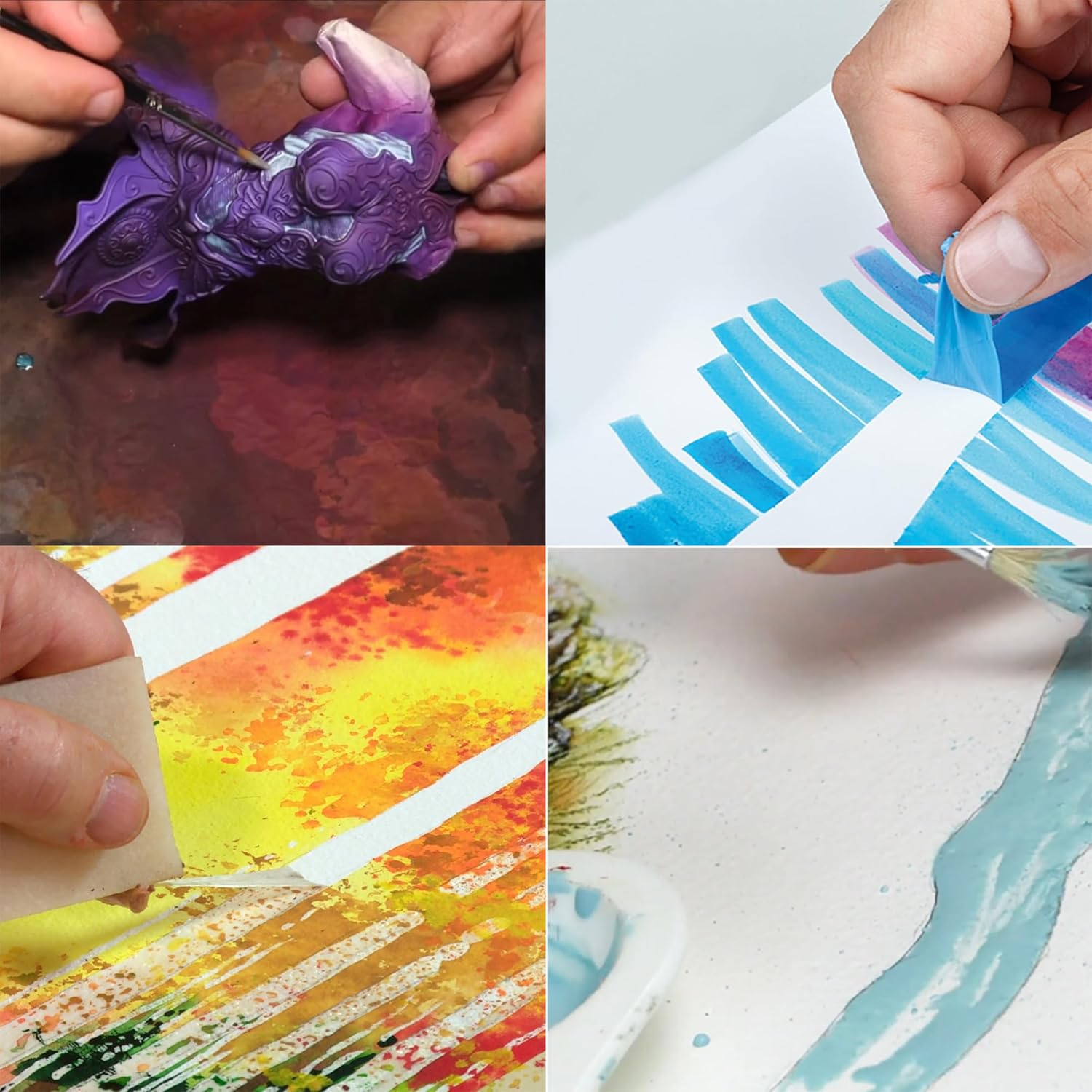
POP ART Liquid Masking Fluid is a removable masking medium used to temporarily protect selected areas while painting.
Also known as drawing gum, masking fluid forms a temporary barrier over areas that you want to keep free from paint.
Apply it to the required area, allow the mask to dry, complete the surrounding painting or spraying, then carefully remove the dried masking layer to reveal the protected surface underneath.
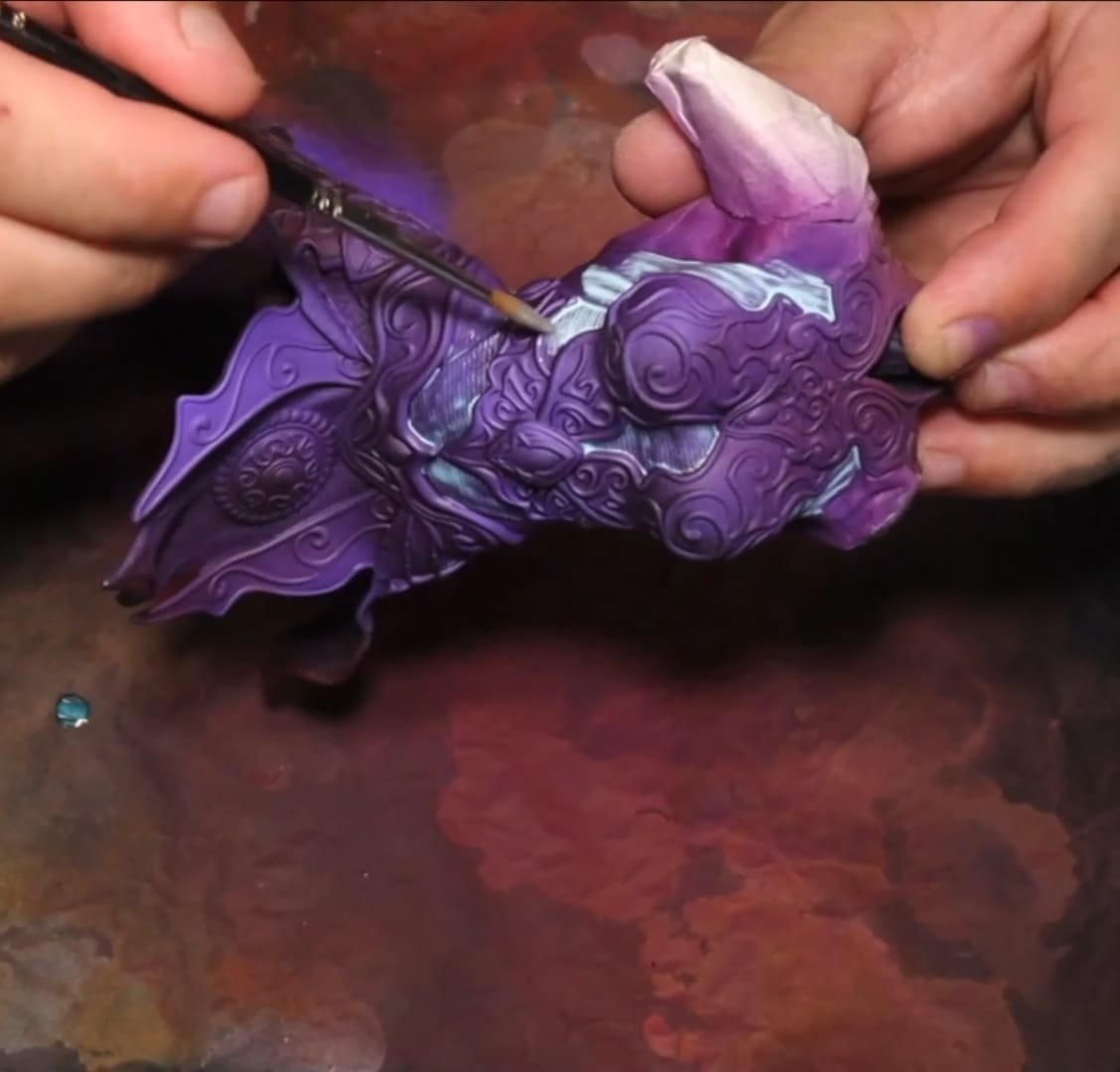
It is useful for miniature painting, scale models, airbrush projects, watercolor techniques, illustration and other creative work where precise temporary masking is required.
Available in 30ml, 60ml and 125ml sizes.
What Is Liquid Masking Fluid?
Liquid masking fluid is a temporary removable coating.
Instead of cutting masking tape into complicated shapes, you can apply masking fluid directly to selected details, edges or irregular areas.
After it dries, paint can be applied around or over the masked section.
Once the painting stage is complete and adequately dry, the masking material can be removed to reveal the protected area.
Liquid Masking Fluid vs Masking Tape
Both products protect surfaces during painting, but they work differently.
Masking tape is particularly useful for:
- straight edges
- geometric shapes
- large flat areas
- panel lines
- simple camouflage patterns
Liquid masking fluid is useful for:
- irregular shapes
- curved areas
- fine details
- small protected spots
- organic camouflage
- complex miniature details
Many projects can benefit from using both methods together.
Drawing Gum for Art and Painting
Drawing gum is another common name for removable masking fluid.
Artists often use drawing gum to temporarily preserve highlights and unpainted areas while working with transparent or layered color.
It can be particularly useful where painting carefully around every highlight would be difficult.
Once the surrounding paint has dried adequately, the temporary mask can be gently removed.
Liquid Masking Fluid for Miniatures
Miniatures contain small details that can be difficult to paint around.
Masking fluid can temporarily protect areas such as:
- lenses
- insignia
- armor panels
- patterns
- equipment
- decorative markings
- selected highlights
- previously painted details
This makes it easier to work on surrounding areas without constantly correcting overspray or accidental brush contact.
Liquid Masking Fluid for Scale Models
Aircraft, vehicles, armor, ships and other scale models frequently use masking during multi-color painting.
Liquid masking fluid can help create:
- irregular camouflage
- chipped-paint effects
- protected markings
- complex color separations
- small masked details
- weathering patterns
For long straight edges and large panels, masking tape may still be easier.
Use liquid masking fluid where the shape is too irregular or detailed for tape alone.
Masking Fluid for Airbrush Painting
Liquid masking fluid is especially useful for protecting areas during airbrush painting.
After the mask has been applied and allowed to dry, surrounding areas can be sprayed without directly coating the protected section.
This can help with:
- camouflage patterns
- color separation
- gradients
- multi-stage painting
- detail protection
- special effects
Apply paint in controlled layers and avoid excessively heavy application around mask edges.
Important: Applying Masking Fluid Through an Airbrush
Do not automatically assume that every masking fluid should be sprayed directly through an airbrush.
Masking products can behave very differently from acrylic paint and may create cleaning or clogging problems in fine airbrush components.
For normal use, a brush, silicone applicator, dropper or other suitable masking tool is often easier to control.
If you intend to spray a masking product through equipment, follow the specific product and equipment instructions and test the method before using an important airbrush.
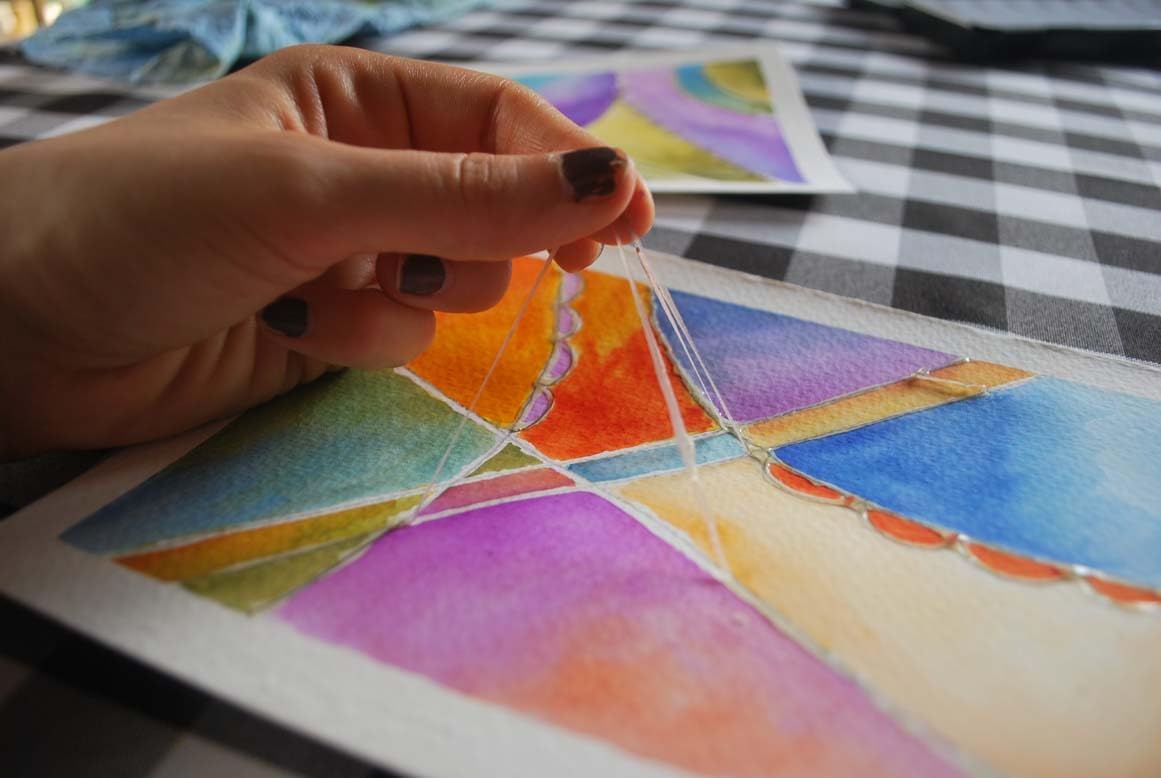
Liquid Masking Fluid for Watercolor
Masking fluid is widely used to preserve light areas and highlights in watercolor-style painting.
Apply it to areas that should remain protected.
Allow the mask to dry before painting around or over it.
After the surrounding artwork has dried sufficiently, gently remove the mask to expose the protected area.
Testing is especially important on delicate papers because different paper surfaces react differently to masking and removal.
Masking Fluid for Acrylic Painting
Masking fluid can also be used during compatible acrylic-paint workflows.
It is useful when:
- creating multi-color patterns
- protecting completed details
- painting around complex shapes
- spraying gradients
- building layered effects
Make sure underlying paint is adequately dry before applying a removable masking layer over it.
Always test when working over delicate or unfamiliar finishes.
Creating Camouflage With Masking Fluid
Masking fluid can help create irregular camouflage patterns on models.
A simple workflow is:
- Apply and allow the first color to dry adequately.
- Add masking fluid to the areas you want to preserve.
- Allow the mask to set.
- Apply the next color.
- Allow the paint to dry appropriately.
- Remove the mask carefully.
The process can be repeated for more complex multi-color schemes.
Protecting Fine Details
Liquid masking fluid is especially useful where tape would be difficult to position.
You can mask selected details before applying surrounding colors.
Examples include:
- miniature eyes
- cockpit areas
- logos
- insignia
- decorative markings
- small mechanical components
- previously painted details
Use an applicator that gives you enough control for the scale of the project.
Creating Irregular Masking Patterns
Unlike straight masking tape, liquid masking fluid can be shaped freely.
This makes it useful for:
- organic camouflage
- chipped-paint effects
- random textures
- irregular boundaries
- terrain effects
- damaged-surface patterns
Experiment on a spare surface before using a new technique on a finished model.
How to Apply Liquid Masking Fluid
Start with a clean, adequately dry surface.
Use a suitable applicator such as:
- an inexpensive dedicated brush
- silicone tool
- masking applicator
- palette tool
- dropper where appropriate
Apply enough material to create a continuous mask over the area you want to protect.
Avoid making the layer unnecessarily thick.
Allow the mask to dry adequately before painting over or around it.
How to Remove Masking Fluid
Make sure the surrounding paint has dried sufficiently before removing the mask.
Lift an edge gently and peel or roll the masking layer away.
Do not aggressively scrape the surface with sharp tools.
On delicate surfaces, remove the mask carefully to reduce the risk of disturbing the underlying paint or substrate.
Use a Dedicated Brush
Masking fluid can be difficult to remove from good paintbrushes if it dries in the bristles.
For that reason, many painters use an inexpensive or dedicated brush specifically for masking fluid.
Clean the applicator promptly after use according to the product instructions.
Do not allow masking material to dry unnecessarily inside the brush.
Can Masking Fluid Damage Paint?
Any removable masking product can potentially affect a delicate or insufficiently cured surface.
Reduce the risk by:
- allowing underlying paint to dry adequately
- avoiding fragile or poorly bonded coatings
- removing the mask carefully
- testing unfamiliar combinations first
Do not assume every paint, primer, varnish or surface will react identically.
Can Masking Fluid Be Used on Plastic and Resin Models?
It can be useful on properly prepared and painted model surfaces, but compatibility depends on the exact surface and underlying coating.
When working with plastic, resin, metal, painted 3D prints or unfamiliar materials, test a small hidden area first.
This is particularly important when the underlying paint layer is delicate.
Masking Fluid for 3D Prints
3D-printed figures, props and models often contain complex shapes that are difficult to mask using tape alone.
Liquid masking fluid can help protect irregular areas while applying additional colors.
Complete your normal preparation first:
- clean the print
- finish sanding where necessary
- apply a compatible primer
- paint the required base layers
- allow them to dry adequately
Then add masking fluid where protection is required.
Common Masking Fluid Mistakes
Avoid:
- applying it over paint that has not dried adequately
- using an expensive brush without testing
- applying extremely thick layers
- painting before the mask has set
- removing the mask while surrounding paint is still too wet
- scraping aggressively during removal
- assuming compatibility with every surface
- leaving masking material on indefinitely
- spraying masking material through equipment without confirming compatibility
Testing first is especially worthwhile when working on an important model or artwork.
Liquid Masking Fluid vs Liquid Latex
People sometimes search for removable masking products using terms such as liquid latex.
Liquid masking fluid may use latex or another removable-film system depending on its formulation.
For painting, the important feature is that it creates a temporary barrier that can later be removed from a compatible surface.
Use the product according to its intended painting and masking purpose.
Available Sizes
POP ART Liquid Masking Fluid is available in:
- 30ml – useful for small projects and precision masking
- 60ml – suitable for regular hobby use
- 125ml – useful for larger projects or frequent masking
Choose the amount based on your project size and how frequently you use masking techniques.
Complete Your Painting Workflow
Masking fluid works well alongside:
- acrylic primers
- model paints
- airbrush paints
- brushes
- airbrush equipment
- washes and inks
- varnishes
Prepare and prime the model, apply your base colors, use masking where needed for additional painting stages, then finish the project with the appropriate final details and varnish.
Frequently Asked Questions
What is liquid masking fluid?
It is a temporary removable masking material used to protect selected areas while the surrounding surface is painted.
Is liquid masking fluid the same as drawing gum?
Drawing gum is a common name used for removable masking fluid in art and painting.
Can I use masking fluid for airbrush painting?
Yes, it can protect areas while surrounding sections are airbrushed.
Should I spray masking fluid through my airbrush?
Not automatically. Masking materials can behave differently from paint. Use an appropriate applicator unless the specific product and equipment instructions support spraying it.
Can masking fluid be used on miniatures?
Yes, it is useful for protecting selected details and creating irregular patterns on compatible miniature-painting surfaces.
Can it be used for watercolor?
Masking fluid is commonly used to preserve highlights and selected areas in watercolor techniques. Test delicate paper first.
Does masking fluid leave residue?
Proper removal should aim to leave the protected area clean, but performance depends on the surface, application and how long the material remains in place. Test unfamiliar surfaces first.
How long should masking fluid dry?
Drying depends on application thickness and environmental conditions. Wait until the masking layer has set adequately before painting over it rather than relying on one fixed time for every project.
How long can masking fluid remain on the surface?
Remove it when the relevant painting stage is complete and the surrounding paint has dried adequately. Avoid leaving temporary masking material on a project unnecessarily for extended periods.
Shop Liquid Masking Fluid in Egypt
POP ART Liquid Masking Fluid is available in 30ml, 60ml and 125ml sizes for miniature painting, scale models, airbrush work, watercolor techniques and creative projects.
Use it to temporarily protect selected details and irregular areas while applying surrounding colors, then carefully remove the dried mask to reveal the protected surface.